Course
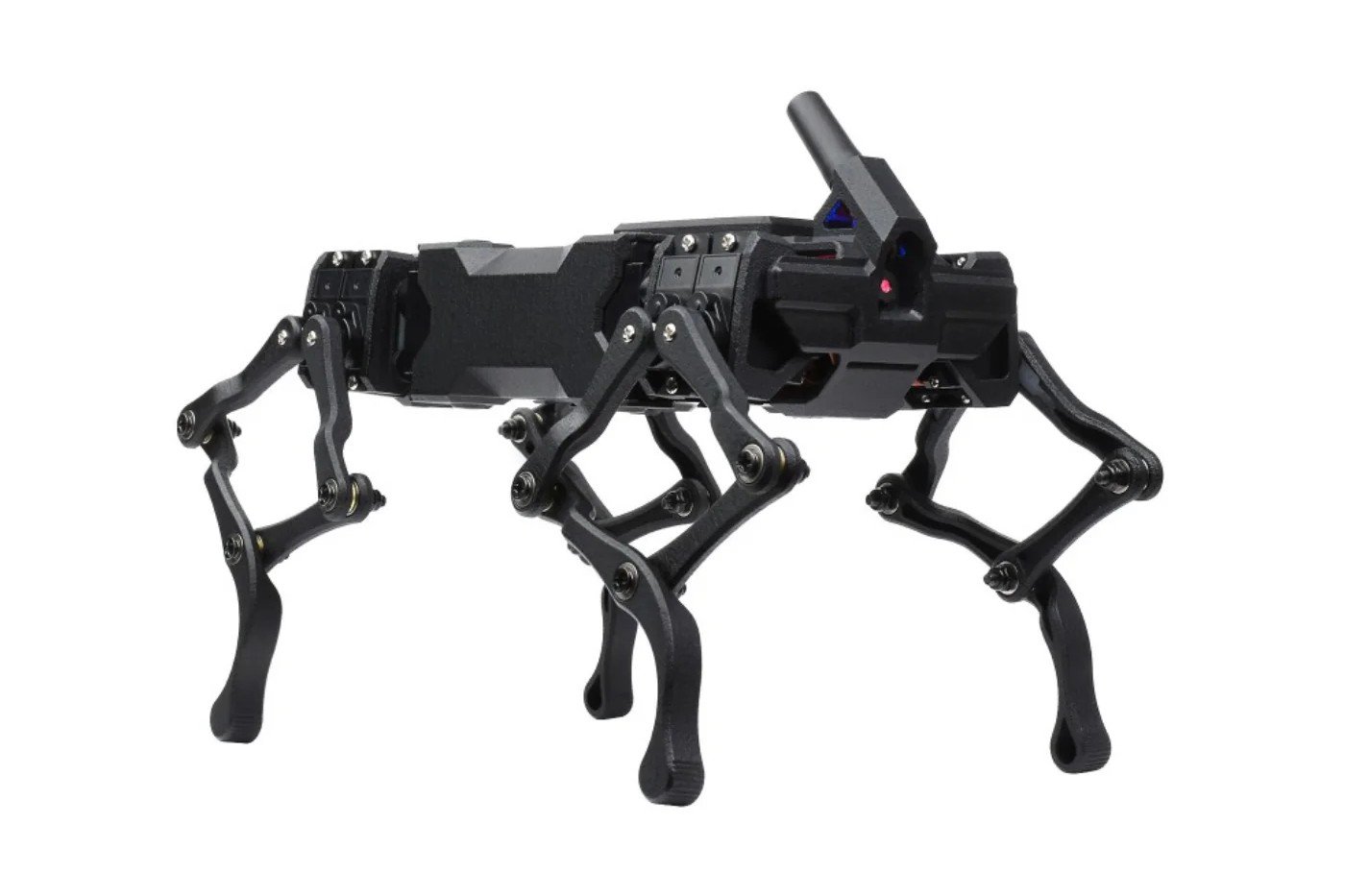
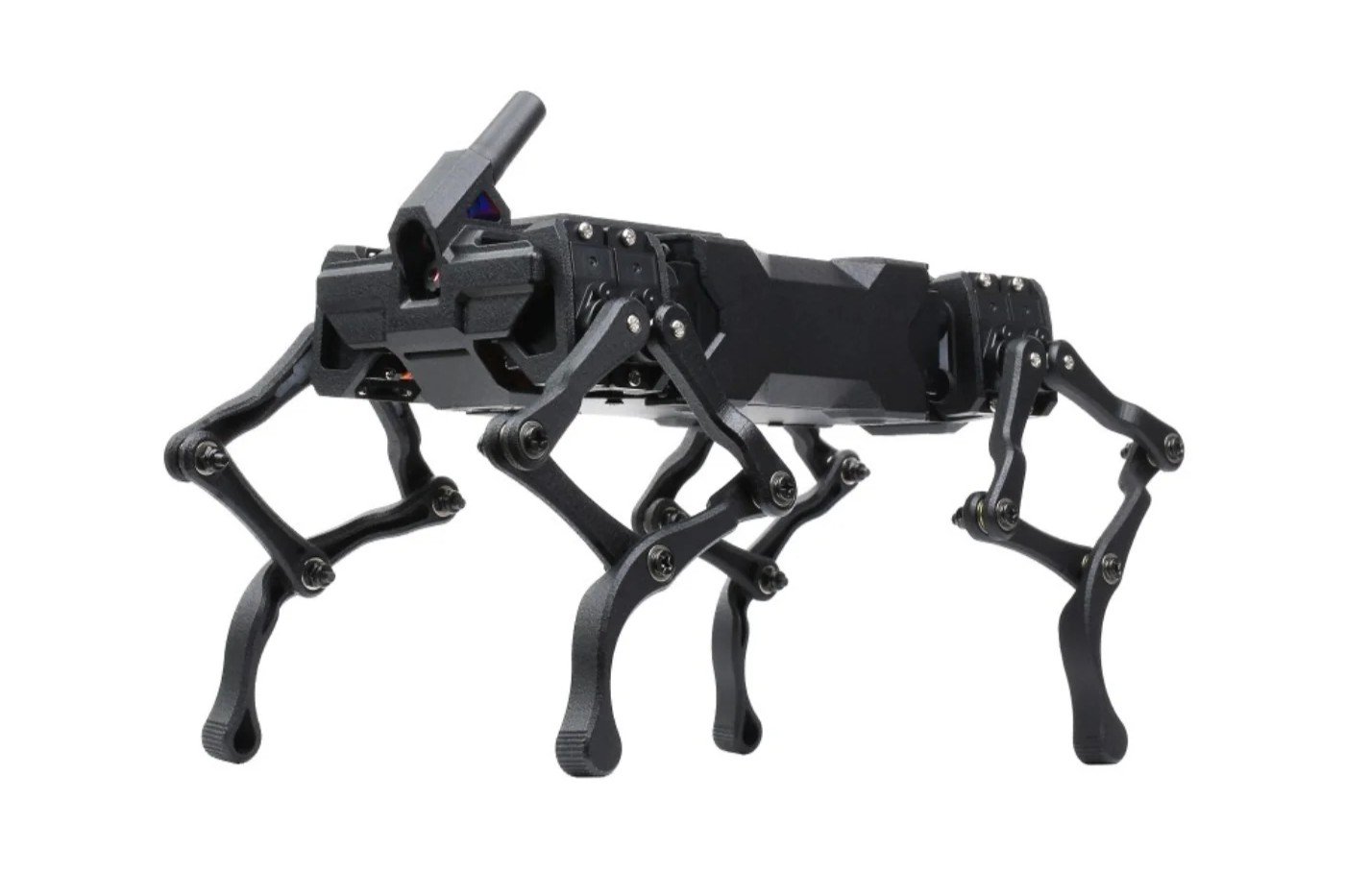
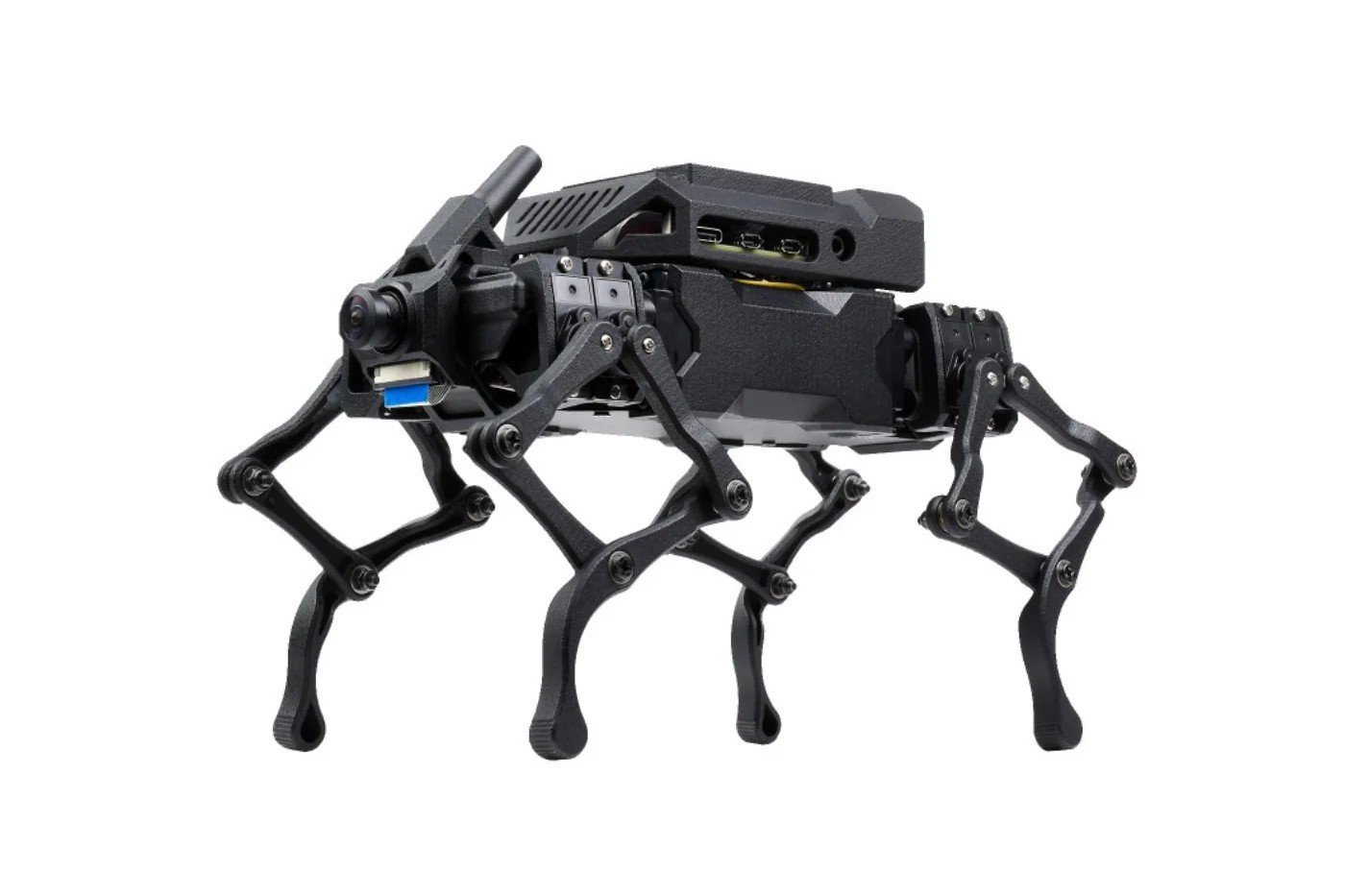
Bionic Robot Dogs
Course Informations
- Robot - Bionic Robot Dog
- Total Enroll - 10+ Thousands
- Duration - 90 Hours
Requirements
Basic understanding of robotics or electronics
Familiarity with Python or C programming
Laptop for programming ESP32 & Raspberry Pi
Interest in AI, motion control, and robotics systems
Sessions
Introduction to Bionic Robot Dogs
Understanding 12-DOF leg mechanics
Study of servo motors & torque optimization
ESP32 architecture & motor control
Setting up Raspberry Pi 4B for robotics
Installing and configuring Robot Operating System (ROS)
Sensor integration (IMU, Ultrasonic, Camera)
AI-based motion control & gait generation
Understanding Inverse Kinematics (IK)
Writing motion algorithms for walking, running & turning
Data communication between ESP32 & Raspberry Pi
3D structure assembly & stability tuning
Calibrating servos & motion accuracy
AI vision using OpenCV on Raspberry Pi
Final testing & advanced movement sessions
About Course
Experience the thrill of advanced robotics engineering with the Waveshare 12-DOF Bionic Robot Dog, a powerful quadruped platform driven by ESP32 and Raspberry Pi 4B. This course takes you through the world of bionic robotics, teaching you how intelligent control systems, sensors, and mechanical joints work together to create life-like motion.
Throughout the course, you’ll learn how to assemble the robot dog, configure its hardware, and program complex locomotion patterns. You’ll explore real-world robotics concepts, including gait control, balance algorithms, inverse kinematics, and AI-assisted navigation. Using Raspberry Pi’s computational power, you’ll implement vision-based responses and intelligent decision-making.
Others
We begin by exploring the components that bring the bionic robot dog to life — high-torque servo motors, 12-DOF leg mechanisms, ESP32 microcontroller, Raspberry Pi 4B processor, sensors, and communication modules. Each part is essential for achieving smooth, stable, and dynamic movement.
Next, you’ll follow a structured assembly process to build the robot dog. This includes mounting servo motors, connecting power systems, attaching limbs, integrating the controller board, and organizing the wiring. Step-by-step instructions ensure safe and accurate assembly.
Once built, the programming stage begins. You will write and upload motor control algorithms to the ESP32, set up the Raspberry Pi with AI libraries, and develop motion behaviors such as walking, trotting, and turning. You’ll also utilize ROS, OpenCV, and machine learning tools to enhance the robot’s intelligence and coordination.
The course also covers calibration, performance tuning, and safety practices. Finally, you’ll run field tests to evaluate balance, motion accuracy, obstacle response, and autonomous AI actions.
By the end of this course, you’ll master the skills needed to assemble, program, and operate the Waveshare 12-DOF Bionic Robot Dog. Whether you’re exploring robotics for education, research, or innovation, this course equips you with the practical experience and knowledge required to work confidently with advanced bionic systems.
No Announcements Yet!!