Course
Boxing ROBOTS
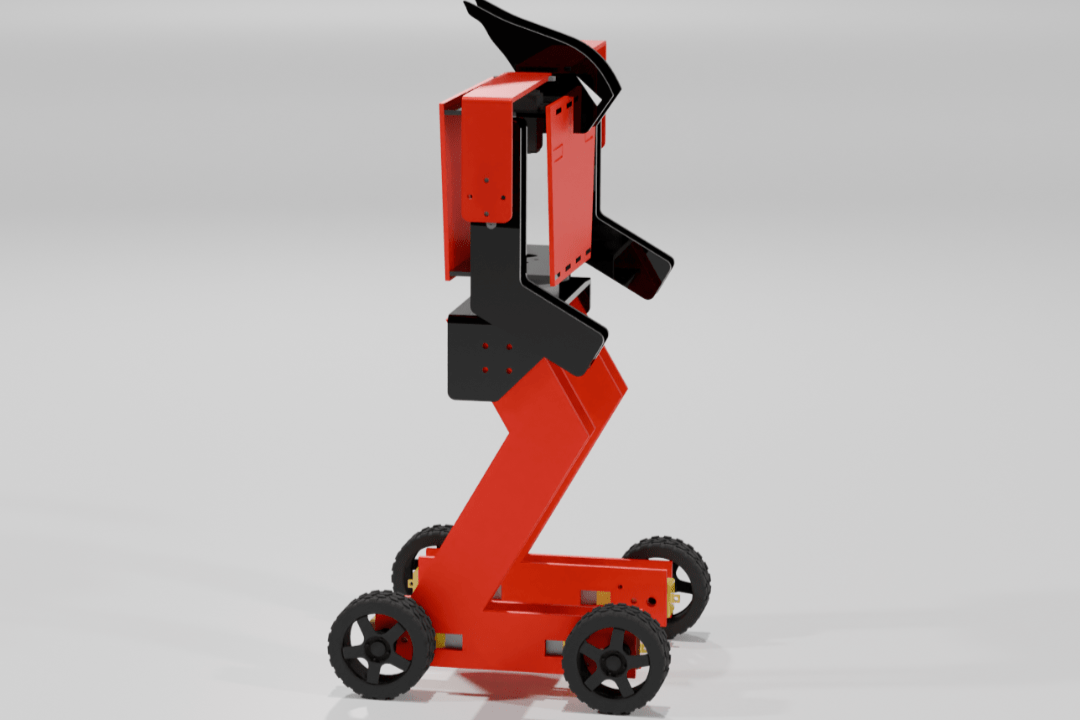
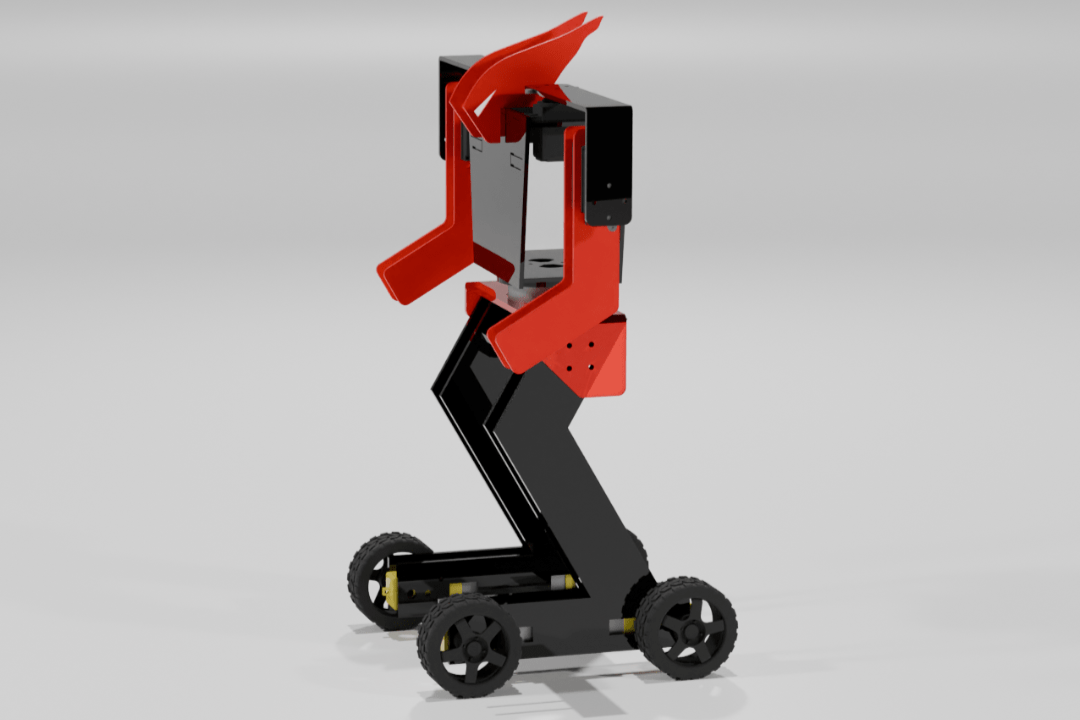
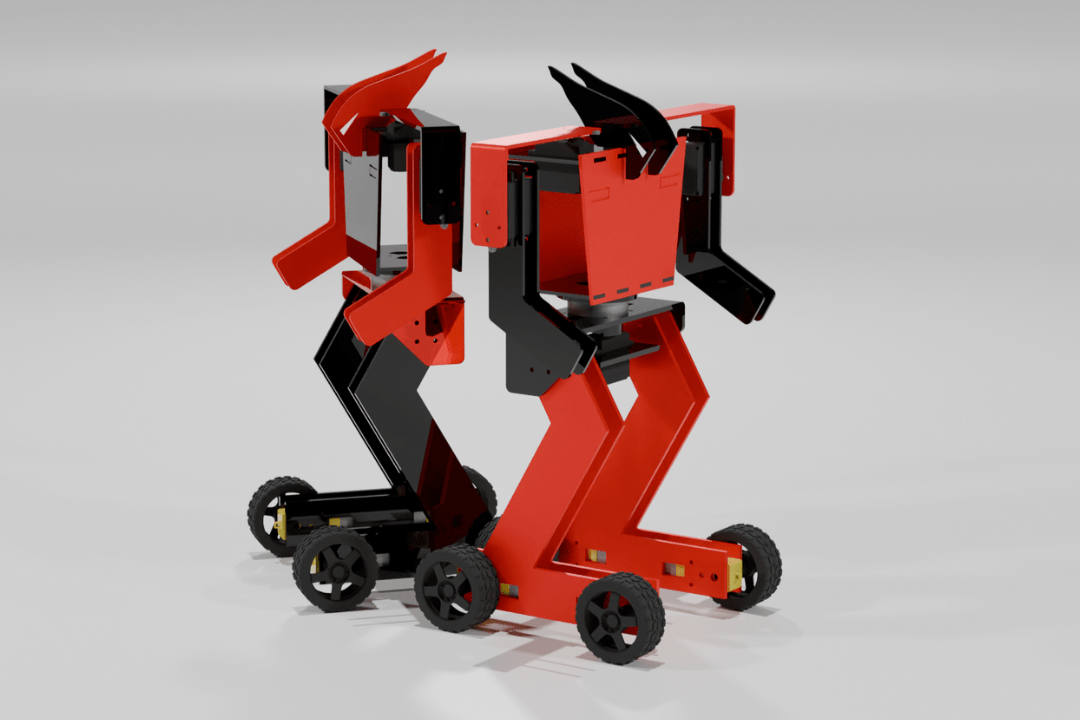
Course Informations
- Robot - Boxing Robot
- Total Enroll - 10+ Thousands
- Duration - 90 Hours
Requirements
Basic knowledge of electronics
Understanding of Arduino or any microcontroller
A laptop for programming the robot
Interest in robotics & mechanical design
Sessions
Introduction to Boxing Robots
Understanding robot chassis & stability
Study of servo motors & high-torque mechanisms
Designing punching arms & movement systems
Installing sensors (Ultrasonic, IR, Accelerometer)
Controller board overview (Arduino / ESP32)
Programming movement algorithms
Programming attack & defense logic
Integrating AI-based decision-making
Assembling the complete robot
Testing motor accuracy & speed
Performance tuning & calibrations
Attack/defense training sessions
Final robot fight session
About Course
Building your own Boxing Robot is an exciting and highly educational experience. You’ll learn how mechanical systems, sensors, and intelligent control algorithms work together to create a robot capable of performing fast movements, punches, and defensive actions.
In this course, we guide you step-by-step through the entire process of creating a fully functional boxing robot. From selecting the right components to assembling and programming powerful movement algorithms, you’ll gain practical skills in robotics, electronics, and microcontroller programming.
To begin, you’ll explore the essential components required to build a boxing robot. This includes the robot chassis, servo motors, control arms, sensors, microcontroller board, and battery pack. Each component plays an important role in determining speed, power, and stability during combat.
Next, you’ll assemble the robot using structured mechanical guidelines. You’ll mount the motors, attach the punching arms, install sensors, and wire the controller board. Our step-by-step guidance ensures you build your robot safely and correctly.
Once assembled, the robot must be programmed and tuned. You will learn how to write code for controlled movements, punching sequences, defensive responses, and sensor-based reactions. Using advanced algorithms, you will optimize your robot’s performance to achieve fast actions and superior accuracy.
We’ll also cover safety procedures and maintenance tips to keep your robot in excellent working condition. Finally, the course concludes with practical fight sessions where you test your robot’s speed, strategy, and combat efficiency.
By the end of this course, you’ll have the knowledge and skills to build, program, and operate your own boxing robot. Whether you’re pursuing robotics as a hobby or aiming for a future career, this course provides a strong technical foundation and hands-on experience.
No Announcements Yet!!