Course
Junior Scientists Course Age 7 – 10
Course Progress
- Level - Junior
- Total Enroll - 10+ Thousands
- Duration - 3 Months
Material Includes
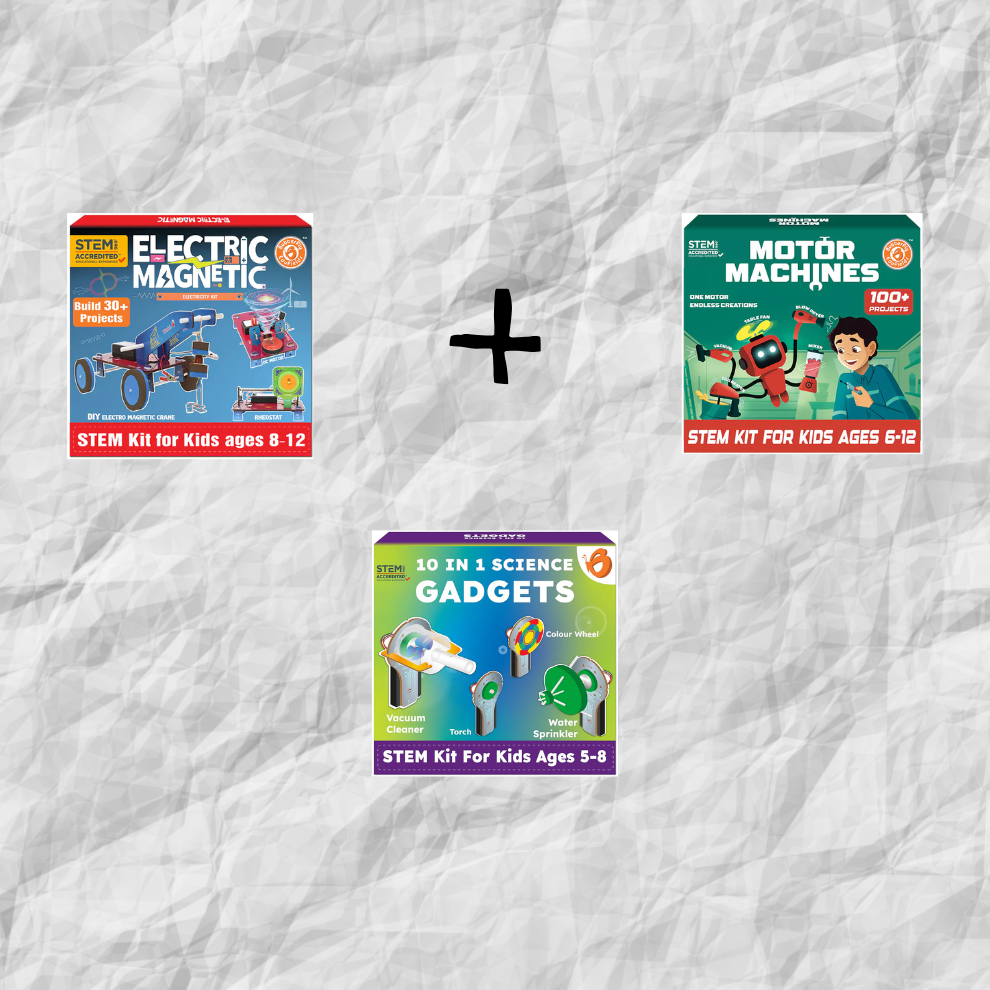
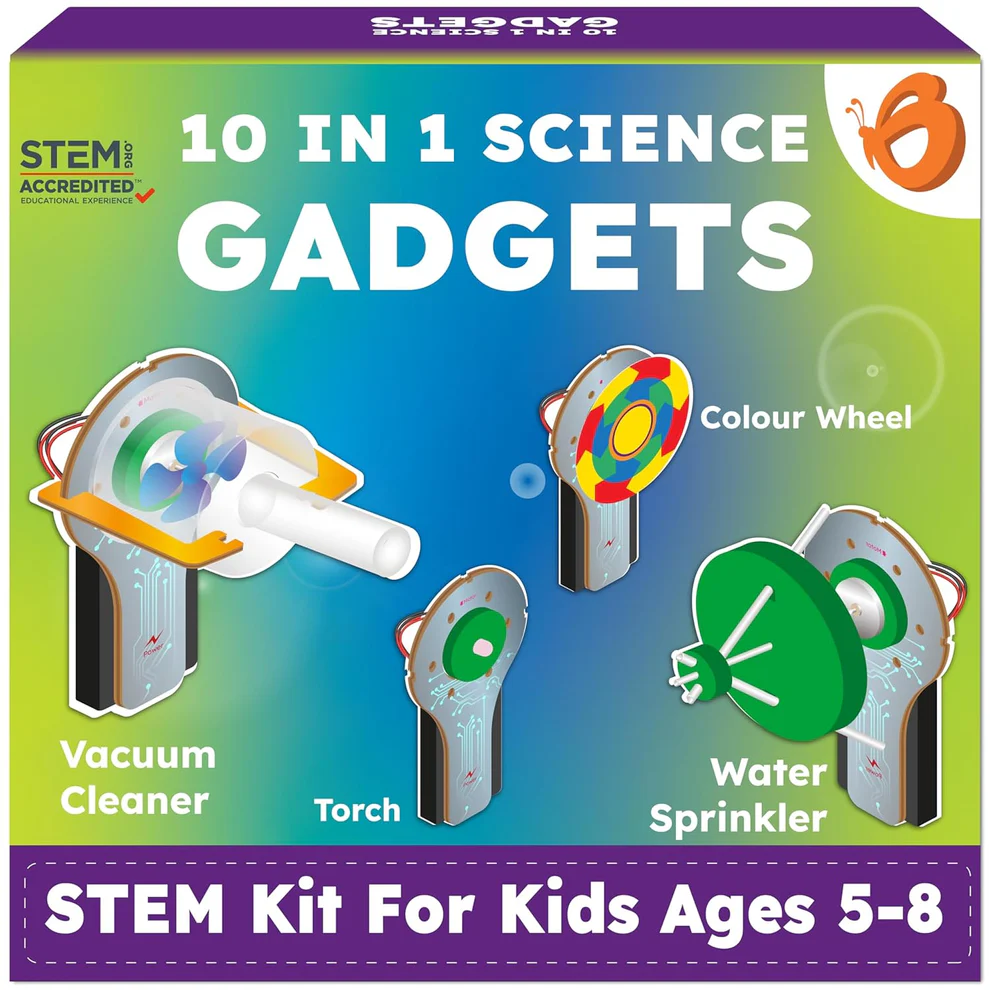
- 10 in 1 Science Gadgets Kit
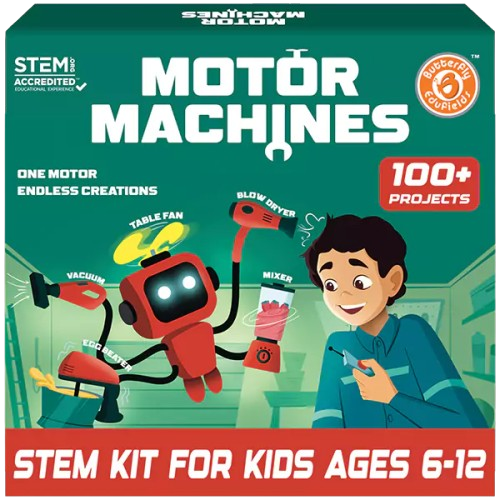
- Motor Machines Kit
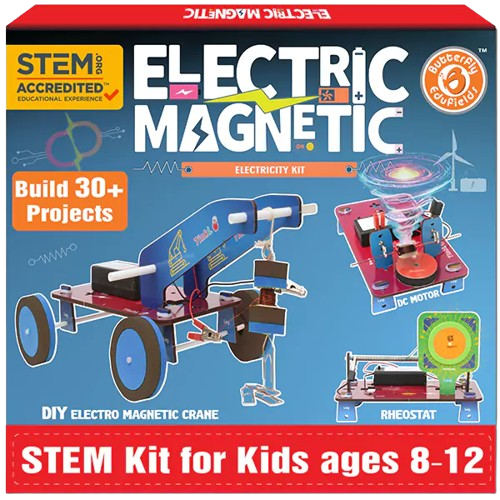
- Electric Magnetic Kit
Audience
- Easily set prerequisites to structure your courses and guide student progress.
About Course
Spark curiosity and creativity in young minds! The Junior Scientists program introduces children to the fascinating world of robotics through fun, hands-on activities. Kids learn the basics of motors, sensors, and simple circuits while building exciting models that move, light up, and respond to their environment. This course focuses on nurturing imagination, problem-solving, and teamwork — perfect for beginners taking their first steps into STEM learning.
Duration : 3 Months
What Your Kids Will Learn :
- 10 in 1 Science Gadgets Kit
- Motor Machines Kit
- Electric Magnetic Kit
Key Highlights:
Fun and safe robotics kits designed for kids
Introduction to motors, LEDs, and basic sensors
Creative model-building challenges
Encourages curiosity, teamwork, and early problem-solving
Course goal
Introduce young learners to basic physical computing and robotics through playful, low-friction hands-on activities that build curiosity, fine motor skills, and basic cause-and-effect reasoning.
Representative projects
Motorized paper car, LED greeting card, buzzer alarm toy, simple line maze bot (toy version).
Learning outcomes
Recognize simple electronic components and what they do.
Build safe basic circuits and power small motors/LEDs.
Follow instructions, debug small problems, and present a finished model.
Teamwork and creative thinking.
Materials / Kit
Beginner STEM kit: small DC motor, AA battery holder, LEDs, resistors, buzzer, jumper wires, snap connectors, small wheels, chassis pieces, craft supplies, screwdriver set.
Teacher kit: spare parts, multimeter (optional), safety goggles.
Class logistics
Class size: 8–16 students recommended.
Session length: 60–90 minutes.
Homework: short exploration tasks (e.g., draw your robot idea).
Assessment & certification
Formative: instructor observation + short checklist per student.
Summative: final project demonstration.
Certificate: “Junior Scientist — Completion Certificate.”
Instructor notes
Keep activities playful and highly scaffolded.
Use storytelling to contextualize each build (e.g., “robot pet”).
Encourage parents to attend final demo.
No Announcements Yet!!
Nice i like